
A Cape Town Guide: Travel Well Without Overspending
There’s a version of this post that tells you to book shoulder season and skip the hotel restaurant.
You’ve read it.
What follows is more specific. We spent two weeks in South Africa — Cape Town, Franschhoek, a few nights on safari. Some of it was expensive. Most of what we’re still talking about, years later, wasn’t. We came home with a painting, cases of wine from a label owned entirely by the people who make it, and small things from a harbor market — none of it from an airport gift shop.
The framework that shaped the trip is below — what we call the Five-Star Math approach to deliberate luxury travel. Budget matters; you do need a real one for a trip like this. But the return on that budget is almost entirely determined by how deliberately you spend it.
Five-Star Math
A trip has hundreds of spending decisions. Most of them don’t matter — they don’t contribute to the feeling, and you won’t remember them. What you’ll remember is a small number of deliberate choices. The framework: make those five choices on purpose. Don’t overthink the rest.
- The room — specifically, what the room does. Vibe, walkability, light, safety. Not the brand name.
- Your deliberate meals — one serious dinner on a short trip, more if you’re celebrating or have time. These are the ones you book ahead.
- One thing you could only experience there, in that moment — not bookable from a tour desk. The version of the place that doesn’t scale.
- The inexpensive meals that outlast the rest — they exist in every destination, without exception. You find them by asking, or through a guide like this one.
- Something to bring home with a story behind it — not from the airport gift shop.
Everything else — taxis, cable cars, afternoons — keep it simple and local.
A note: these five choices reflect what matters to us. Your version might look completely different. Some people happily sleep in a budget hotel and spend the savings on a three-Michelin-star dinner. Others care most about where they wake up. The framework works either way — what matters is that you’re choosing deliberately, not defaulting. → We’re working on a post to help you figure out your own version. More soon.
How this looked in Cape Town
The room: POD Camps Bay
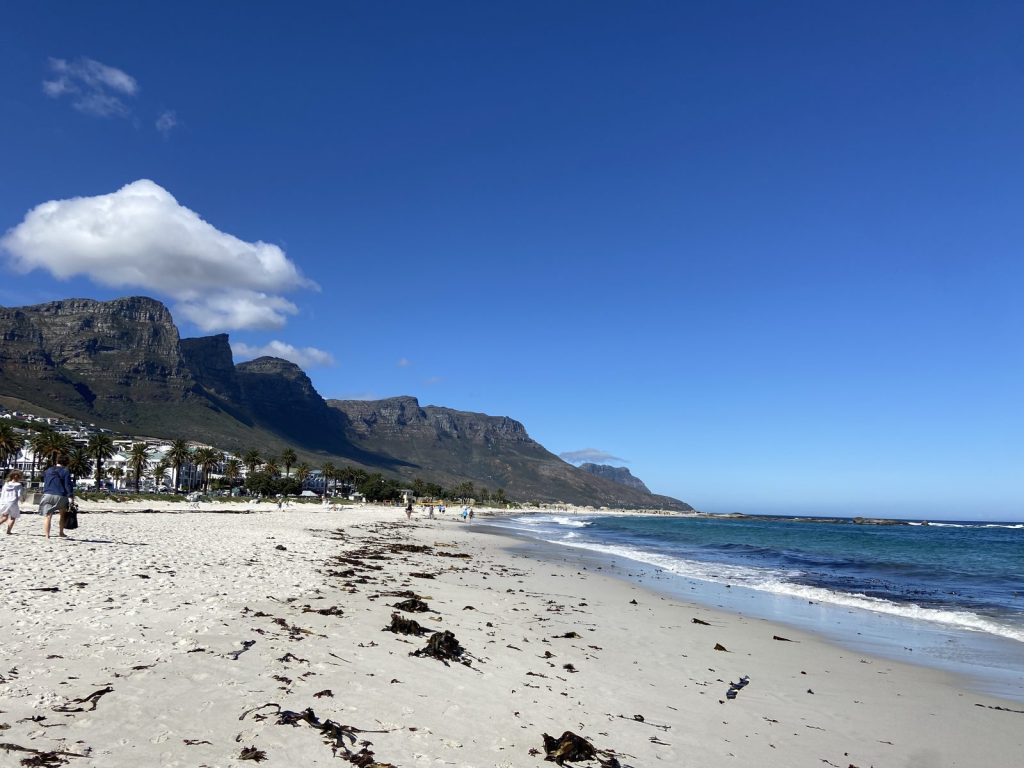
What we needed from a Cape Town base wasn’t a view — it was a vibe. Beachy, relaxed, walkable, and safe. Cape Town requires thinking about that last one; Camps Bay is one of the more comfortable areas for it, and the strip along the beach has everything within easy walking distance.
POD Camps Bay is a small, glass-fronted boutique hotel perched above the bay — five minutes to the Camps Bay strip, the mountain behind you, the Atlantic in front. We went in April, shoulder season, which made the rate a different conversation than January peak.¹ Someone remembered our names by day two. The point is knowing what the room needs to do — and not paying for anything it doesn’t.
The serious meal: Protégé, Franschhoek
One real splurge dinner — at Protégé in Franschhoek, the training kitchen of the La Colombe group. Head chef Andrew Willemse runs it as a proving ground for young chefs; it won two stars at the 2026 Eat Out Awards. Exceptional food, well below what you’d pay at the parent restaurant.
We paired it with two nights at Leeu House, a quietly beautiful property in the center of Franschhoek village. The meal people usually expect you to have in Franschhoek — the famous fine dining institution, the trophy reservation — we skipped. Protégé was better, and we’d have missed it if we’d just booked what the guidebooks said.
The inexpensive meal that outlasted everything: Codfather, Camps Bay
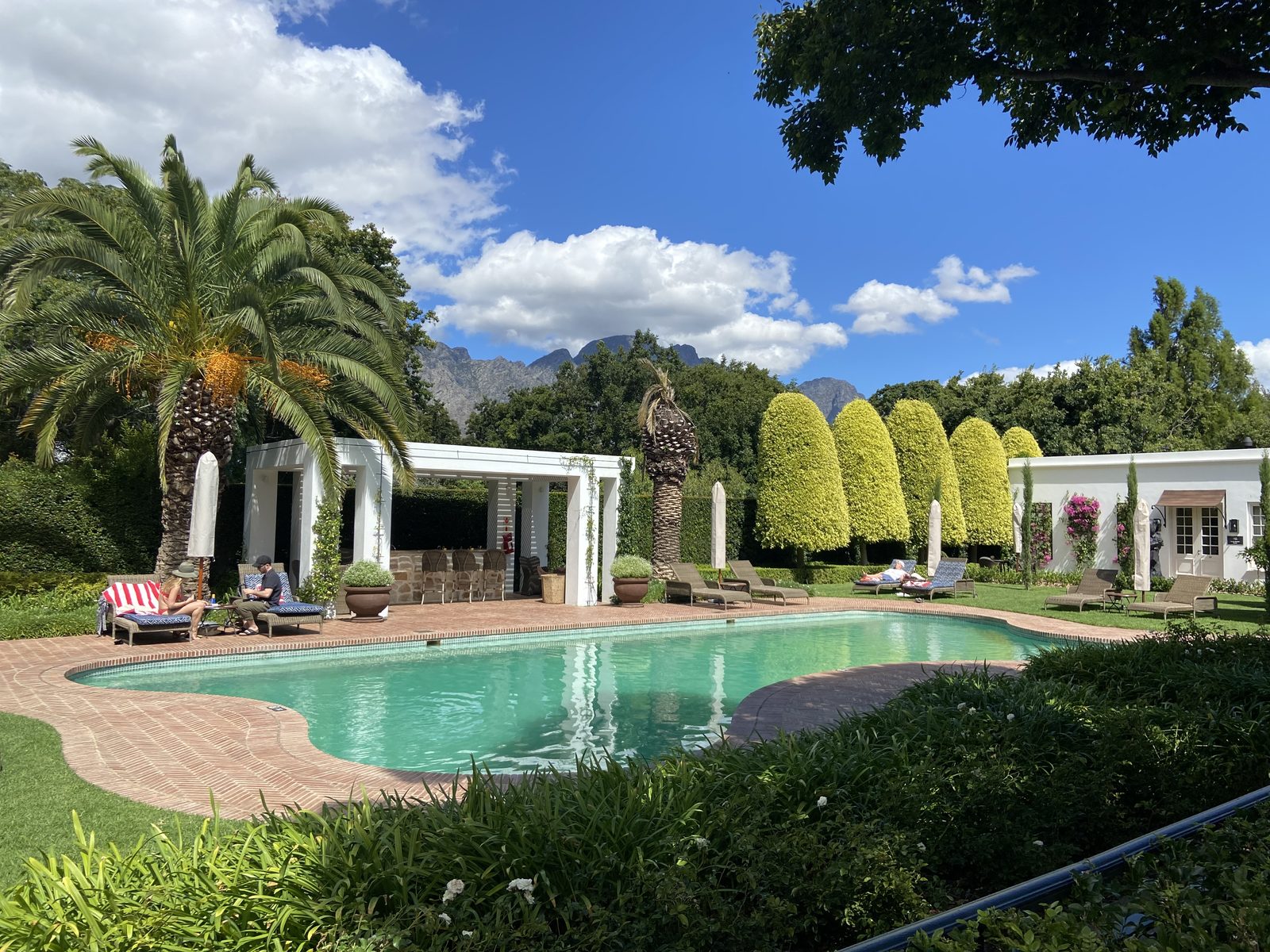
We tried the Kloof Street restaurant scene. Some of it was fine. None of it compared to Codfather — a Camps Bay institution most tourists walk past because it doesn’t look like a luxury experience. You walk in, they show you a display of fresh fish, you point at what you want, they cook it. We ordered the Mozambique prawns. Grilled, buttery, the specific sweetness that comes from fish that hasn’t traveled far. I still think about them. Regularly.
The meal that stays with you is rarely the most formal one. Codfather is exactly right for Camps Bay.
The free afternoon: Kalk Bay and Kirstenbosch
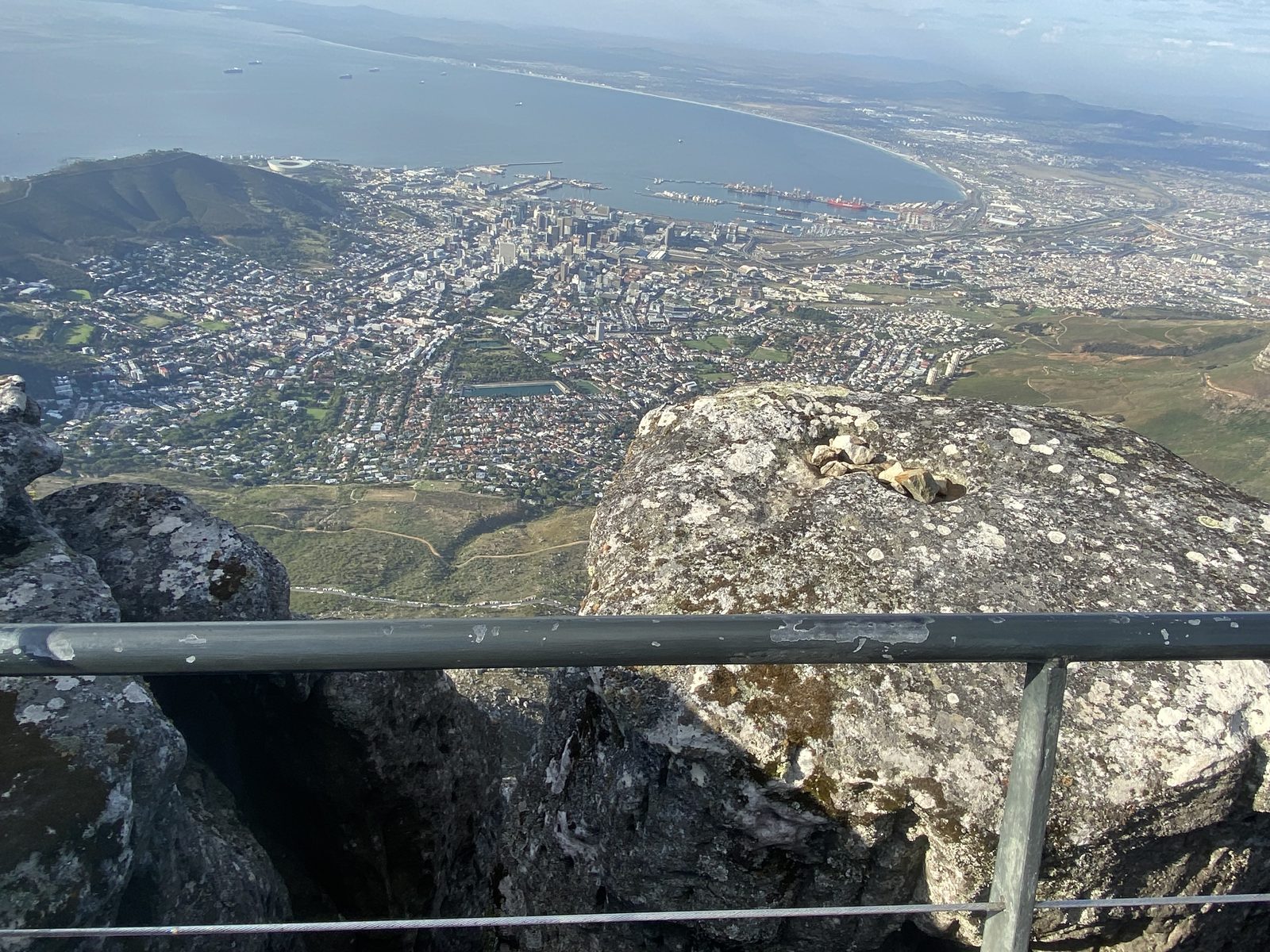
Kalk Bay is a fishing village about 35 minutes south of the city. We spent a half-day there and it cost almost nothing — ate at Kalky’s right at the harbor (fresh fish fried to order, eaten at wooden picnic tables a few feet from the water), browsed the antique shops and weekend market, walked up into the fynbos gardens. The fish was about $10. We stayed much longer than planned.
On the way back, Kirstenbosch National Botanical Garden is worth a stop — one of the world’s great botanical gardens on the eastern slopes of Table Mountain. Entry around $12. The Tree Canopy Walkway through the forest canopy is extraordinary.
The things we brought home
We came back with more than we planned, and none of it from an airport gift shop.
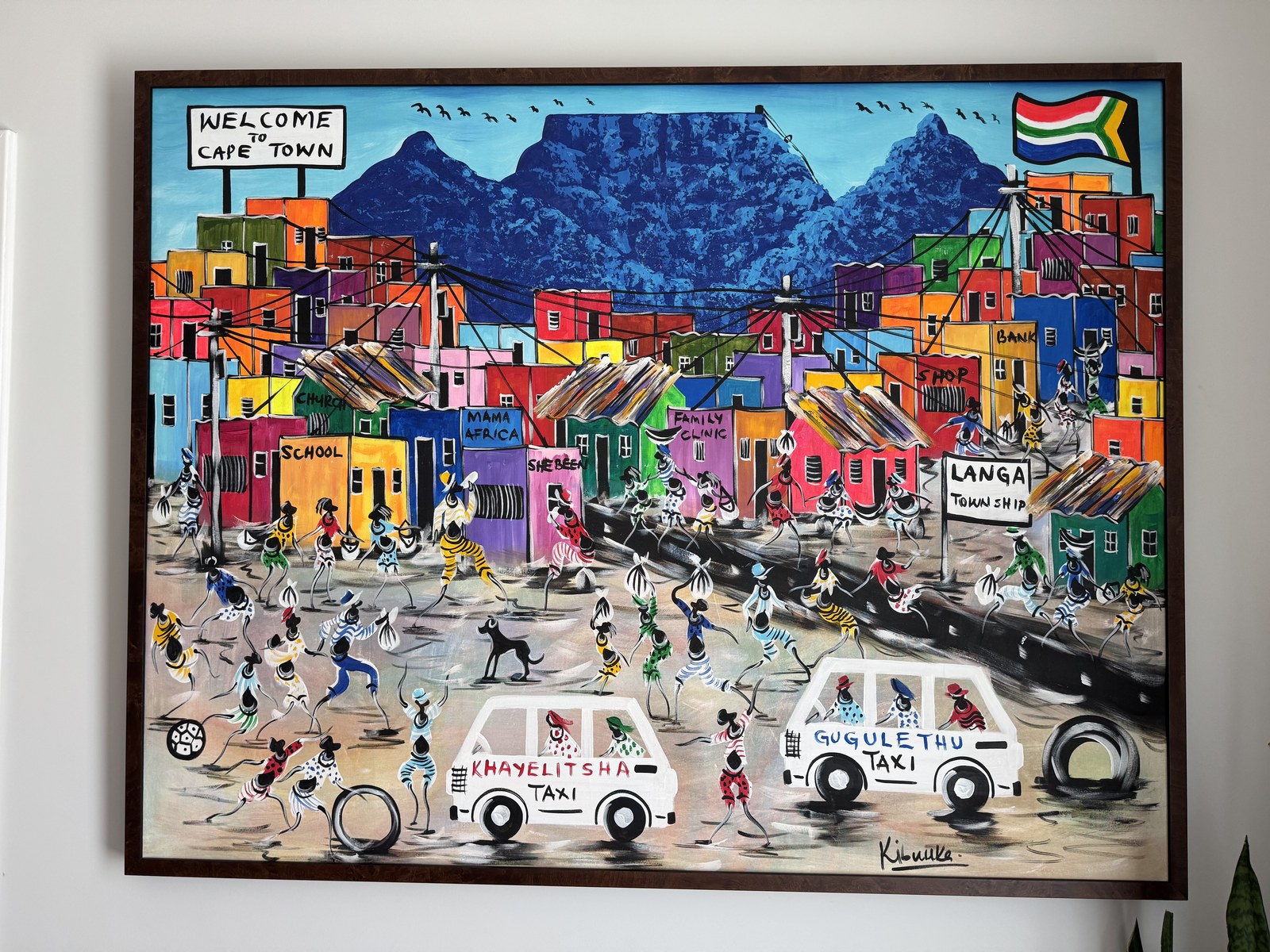
The centerpiece: a large painting from Greenmarket Square, the open-air market in Cape Town’s main square where local artists sell work directly. It now takes up a wall and reliably starts conversations.
And then there’s the wine. Leeu House includes a complimentary tasting at the Great Heart Wines boutique — a label that is 100% staff-owned, where the staff collectively own the brand and receive all proceeds directly. We went for the included tasting expecting to spend an hour. We left having bought cases. We opened bottles for family and friends for months, and every time, the wine came with a story worth telling.
What this adds up to
| Decision | What we spent | What it bought |
|---|---|---|
| Room (POD, 5 nights, April) | ~$270/night | Atlantic view, no brand overhead |
| Leeu House (2 nights, Franschhoek) | $458.71/night² | Village center, valley views |
| Protégé dinner (2 people) | ~$120–150 | La Colombe-trained kitchen, no trophy markup |
| Codfather dinner (2 people) | ~$60–80 | Best seafood of the trip |
| Kalk Bay afternoon | $0 | Best afternoon of the trip |
| Art from market | [your price] | The thing on the wall |
| Everything else | Minimum | Fine |
All prices in USD. Local currency is South African Rand (ZAR); check current rates before you go.
The flights from New York run $1,100–$1,500 roundtrip regardless of season — this route doesn’t move much by month.³ Everything else is a function of how deliberately you allocated once you landed.
The part no itinerary covers
The framework above is useful. What it can’t account for is the people.
The concierge at POD quietly mentioned the hotel’s movie night — DVD menu, hot chocolate, a popcorn bar, delivered to the room. We took him up on it. It was exactly what we needed and we never would have asked.
At Great Heart Wines, the sommelier walked us through each bottle not as a pitch but as something she and her colleagues had made. She asked what our families were like, what we cooked at the holidays. We left with cases because of her, not despite her.
In Kalk Bay, the women at the ceramics stalls bargained with us warmly — the kind of exchange that ends with everyone pleased and is still easy to picture weeks later. At Faeeza’s, her colleagues taught us to make Cape Malay food with the generosity of people sharing something that belongs to their community. And the private driver to Franschhoek spent part of the drive talking about growing up under apartheid — then turned it around and asked careful questions about American politics that made clear he’d been paying closer attention than most Americans were.
None of those moments appear in the table above. They are also, by some distance, what we talk about most.
For the fuller picture — Cape Town’s history and how to travel it honestly and ethically — see Cape Town, the Honest Version.
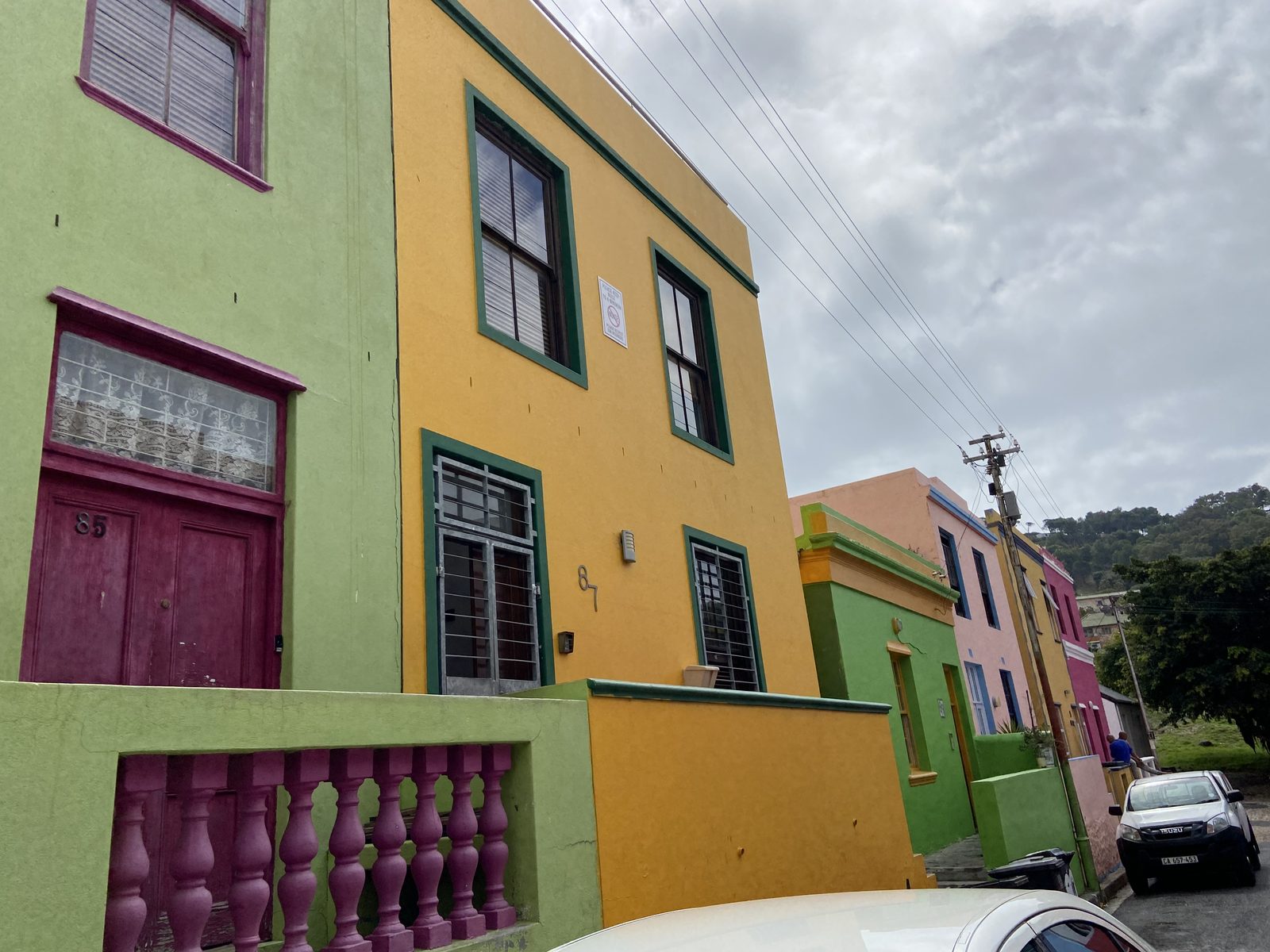
The actual principle
Luxury travel requires a real budget. But two trips with identical budgets can feel completely different — and the gap isn’t luck. It’s whether the money was allocated or just spent.
A $9,000 trip where the money just lands — hotel restaurant because you’re tired, the obvious tour because it came up first, the expensive room chosen for the brand name — can feel like exactly that. Adequate. Forgettable. Fine.
A $5,000 trip where you’ve made five deliberate choices and kept everything else simple can feel like something else entirely. The room you chose for a reason. The dinner you’ll still be talking about. The afternoon that cost nothing. The thing on your wall.
The other side of this: you want to come home without the low-grade regret of money that didn’t earn its keep. The hotel restaurant you defaulted to because you were tired. The tour you booked because it came up first. The expensive room whose main selling point was a brand name you won’t remember in a year. That feeling — “I can’t believe I paid for that” — is the thing the framework is designed to avoid.
The difference isn’t discipline or restraint. It’s attention. And attention, unlike budget, is always available.
This is the first in our Five-Star Math series — one destination at a time, each broken down the same way. More cities to follow.
Quick reference
Where we stayed
Full details on our Stays page →
POD Camps Bay — boutique hotel above the bay, Camps Bay strip walkable. Shoulder season from ~$270/night.
Leeu House (Franschhoek) — Cape Dutch property in the village center, valley views, includes Great Heart Wines tasting. leeucollection.com
Where we ate
Codfather (Camps Bay) — walk in, point at the fish. Get the prawns. codfather.co.za
Protégé (Franschhoek) — La Colombe training kitchen. Book ahead. lacolombe.restaurant/protege
Kalky’s (Kalk Bay harbor) — fish fried to order at wooden picnic tables by the water.
Faeeza’s Home Kitchen (Bo-Kaap) — Cape Malay home cooking, ~$33/person. Book ahead. faeezashomekitchen.com
OZCF Market (V&A Waterfront, Sat–Sun) — ozcf.co.za · Truth Coffee (Buitenkant) — truthcoffee.com · Kleinsky’s (Gardens) — breakfast and lunch deli
What to do
Kalk Bay — free half-day, harbor to fynbos walk · Kirstenbosch — ~$12 entry, Tree Canopy Walkway · Table Mountain — book ahead · Franschhoek Wine Tram — winetram.co.za
District Six Museum — give it more time than you think it needs · Zeitz MOCAA — go for the architecture even if you’re not an art person. zeitzmocaa.museum
What came home with us
Greenmarket Square — local artists selling directly · Great Heart Wines — staff-owned label via Leeu House tasting. mlfwines.com · Kalk Bay harbor market — handmade practical goods · Kloof Street (Gardens) — independent shops · Clarke’s Bookshop (Long Street, since 1956) — clarkesbooks.co.za
Getting around + practical notes
Getting around: Uber works reliably and well — use it over street taxis. For day trips south (Kalk Bay, Cape Point) or to Franschhoek, a private driver or rental car gives more flexibility.
Power outages (load shedding): South Africa experiences periodic grid outages. Good hotels, restaurants, and shops run generators and you typically won’t notice — worth confirming when you book.
Frequently asked questions
Is Cape Town affordable for luxury travel?
In shoulder season (March–May), yes — significantly so. A five-star room in Camps Bay that runs $833–$1,040/night in January can drop to $242–$300/night in April at the same property. The flight from New York ($1,100–$1,500 roundtrip) costs roughly the same either way. All prices in USD.
What is the best time to visit Cape Town?
Late March through April. One thing worth knowing: South Africa’s seasons are the opposite of the Northern Hemisphere — their summer is December through February (hot, crowded, expensive). April is fall there, roughly equivalent to October in New York. The weather is excellent, the winelands are at their most beautiful, and rates are substantially lower than peak.
What is the Five-Star Math approach to travel?
A framework for getting the most out of your travel budget: make five deliberate choices (the right room, one serious meal, one experience only available there, inexpensive meals that outlast the rest, one thing to bring home with a story) and keep everything else simple. The return on your trip correlates to the attention behind those choices — not just to total spend.
Where should I stay in Camps Bay?
POD Camps Bay — small boutique hotel above the bay, Camps Bay strip walkable, shoulder season rates dramatically lower than peak. See our Stays page for current pricing.
What are the best restaurants in Franschhoek?
Protégé — La Colombe training kitchen, two-star Eat Out Award winner — is exceptional at a fraction of what the most famous Franschhoek fine dining institutions charge. Book ahead.
How much does a trip to Cape Town cost from New York?
A two-week trip covering Cape Town, Franschhoek, and a few nights on safari runs roughly $4,000–$9,000+ per person (USD), depending almost entirely on when you go and where you stay.
Footnotes
¹ POD Camps Bay nightly rates, April shoulder season: from ~$242–$300/night (KAYAK, June 2026). January peak: $833–$1,040/night. The view does not change between months.
² Leeu House nightly rate: $458.71/night (confirmed from booking). Franschhoek shoulder season (March–May) typically offers better availability and rates than the summer wine-festival peak.
³ Economy roundtrip EWR/JFK → CPT: typically $1,100–$1,500 year-round. Source: KAYAK, Expedia, Skyscanner (June 2026).
 Borrowed Luxury